From Passion to Profit: How Entrepreneurs Monetise Football Culture
For many former athletes and sports-industry professionals, the question is no longer “What’s next after my playing or coaching career?” but “How can I turn my years of passion into a sustainable business?”
Of course, there are cases when sports-industry professionals turn to working in the sports media as hosts, analysts or commentators. In the US, Tom Brady has been commentating on the Super Bowl for FOX for several years, while Jason Kelce often appears on various analysis panels, especially following the success of the New Heights podcast. In European football, Alan Shearer and Jermaine Jenas followed the same path – from professional playing to the media. However, working in the media is hardly the only option.
Across Europe, the MENA region and North America, there is a growing wave of entrepreneurs transforming football culture into profitable, community-focused projects. With the rapid development of club academies and football school franchises, people with a strong sporting background are leveraging their expertise, networks and credibility to build high-demand, future-proof businesses.
After retiring from Barcelona and the Argentina national team, Javier Saviola moved into youth development. Instead of staying in top-level coaching, he founded Saviola Academy, a youth football school offering European-style training, summer camps and performance programmes. This is a perfect example of how former players leverage their brand and football identity to create a profitable business focused on children’s development:
Saviola uses his name recognition to attract attention and build trust among families.
His academies focus on methodology, discipline and player development, following the principles of club models.
Families see a direct connection to professional football culture and the player’s real-world experience.
The model is easily scalable as he can open new locations and expand the geography.
Another example comes from Germany. After working in professional coaching, Timo Rost shifted into youth development, launching a modern training school in Bayreuth. His academy focuses on building a long-term pathway for young players, combining technical sessions, small-group training and community events. German families trust former Bundesliga professionals. In addition, Rost uses his network to bring in guest coaches and partners. Therefore, he built a business that unites the local football community while generating recurring revenue.
Among the Shakhtar Academy owners are people who had sporting careers before opening their own football schools or who are still active in professional sport. The owner of Shakhtar Academy Warsaw, Serhii Karputiev, was a Ukrainian U16 champion and a candidate for the Master of Sports title. After a sporting career at a very young age, he pursued education in football coaching and joined Shakhtar Social to work with kids.
Several years ago, he opened Shakhtar Academy Warsaw.
“There was no Ukrainian football in Warsaw, and the Ukrainian community was growing very fast,” says Serhii. “Football is more than a game. It’s discipline and determination. These are skills that children need in their lives.”
For Serhii and many other Shakhtar Academy owners abroad, a football school is not only a business, but also a tool of sports diplomacy. Each academy serves as a piece of home for both kids and their parents.
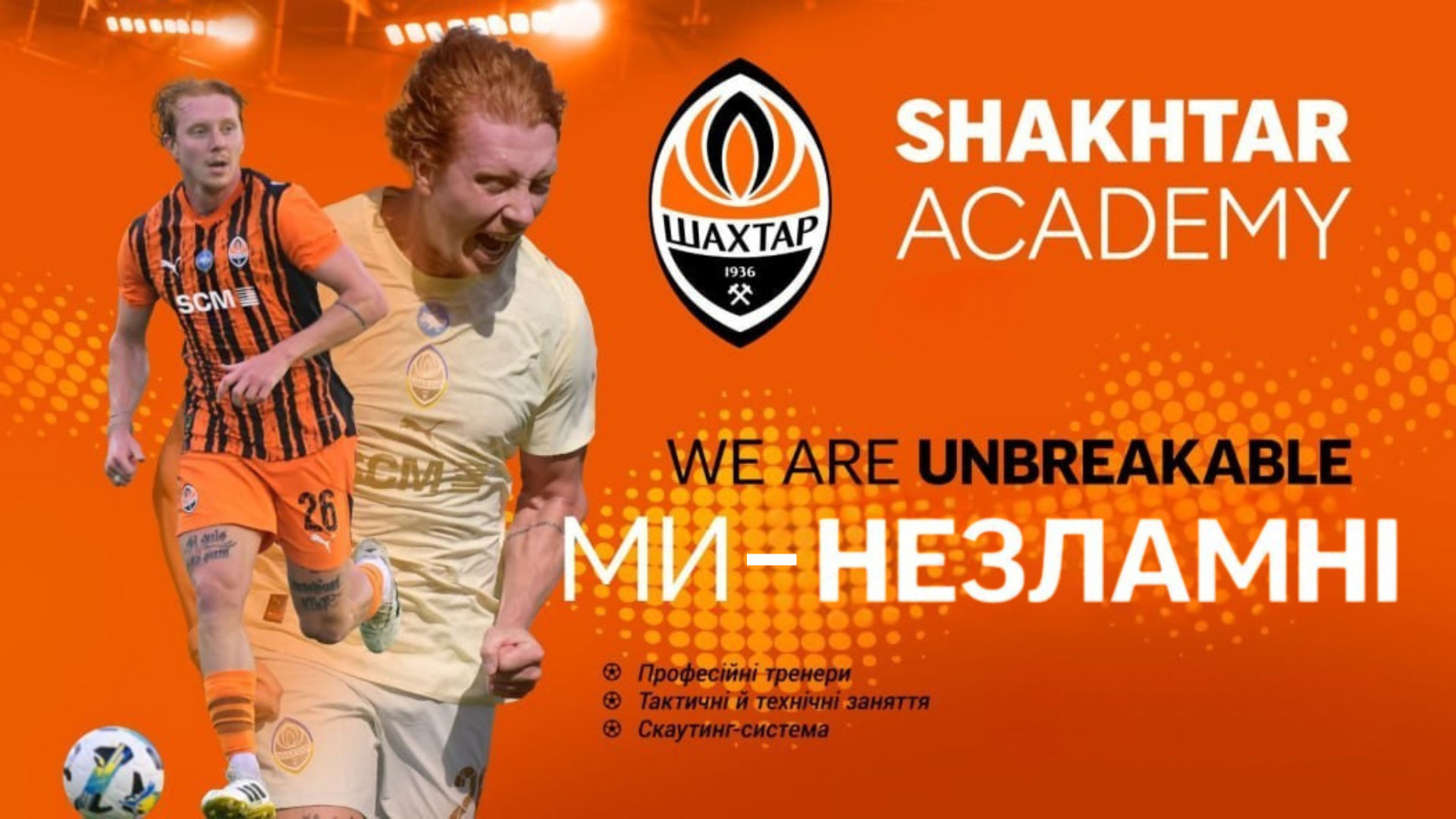
In the capital of Ukraine, Kyiv, one of the Shakhtar Academies is owned by current FC Shakhtar player Yukhym Konoplia.
“Football is my life, my passion and my love. I want to give all the children at Shakhtar Academy Kyiv an understanding of what football really is. For me, the success of this Academy is not only measured by financial numbers, but also by the number of children who will continue their football path from this academy to the Shakhtar Professional Academy and then join the teams. This school is the best pre-professional football education available. But I want to emphasize to all the parents who dream of seeing their kid in professional football that the most valuable thing they can do is to make their kid interested in football. But don’t push them, don’t expect immediate results. Interest in football should be organic,” says Konoplia.
Opening a football academy franchise is not simply renting a pitch and hiring a coach. The most successful owners build entire ecosystems, including:
- Training programmes for different age groups
- Seasonal camps and tournaments
- Individual training packages
- Merchandise sales
- Partnership projects with sponsors
- Community events
This diversified structure increases revenue potential, strengthens the brand and creates long-term loyalty among families.
If you’re ready to turn your sporting experience into a business with global potential, bringing Shakhtar Academy to your city may be your next winning move.